

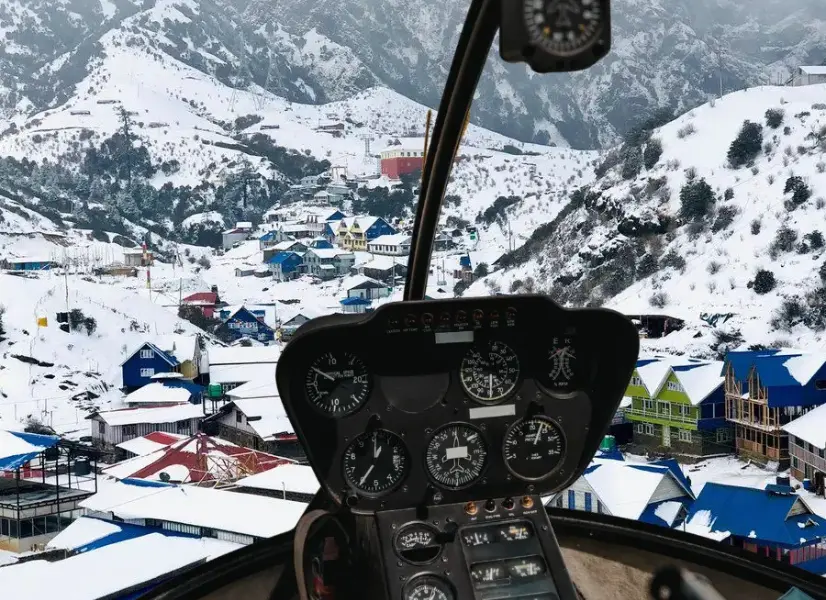
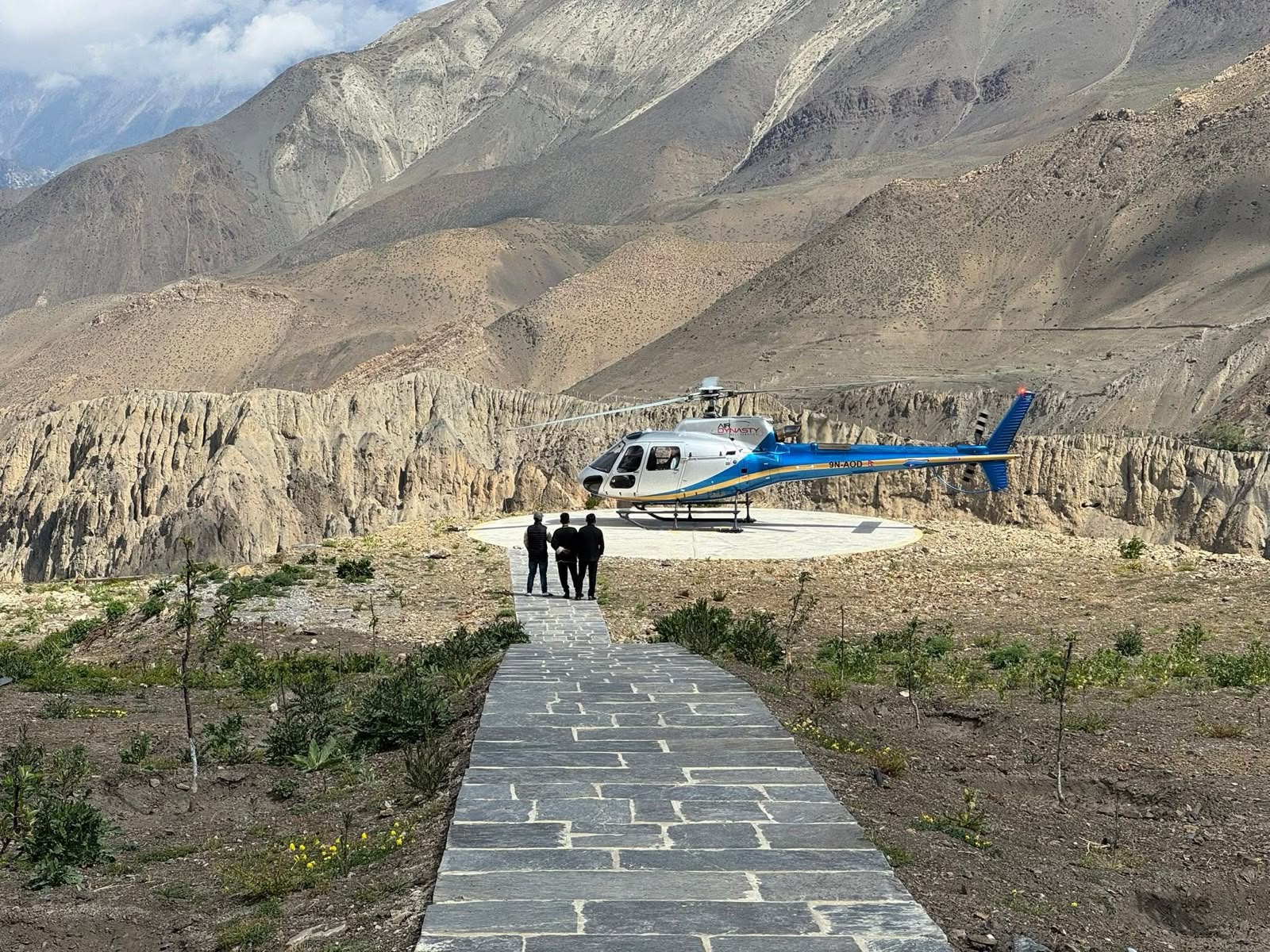
Few experiences in Nepal are more talked about — or more expensive — than a helicopter tour. Fly over Everest Base Camp, land beside the sacred lake at Gosaikunda, or touch down in the Annapurna Sanctuary in a single morning, and you'll see the Himalayas in a way most trekkers spend two weeks hiking toward.
But the question everyone asks before booking is simple: is a helicopter tour in Nepal actually worth it?
This guide gives you an honest answer — not a sales pitch. We're a Nepal-based helicopter operator (Go Heli Services), and we're going to break down what you really get for your money, route by route, with real 2026 prices. Then we'll help you decide whether a heli tour fits your time, budget, and travel style — and when it's better to leave the helicopter on the ground.
Is a Helicopter Tour in Nepal Worth It? — The Quick Answer
Yes, a helicopter tour in Nepal is worth it if you value your time, can't trek, or want a once-in-a-lifetime close-up of the Himalayas — and it's not worth it if you're after a cultural, on-the-ground adventure or you're on a strict budget.
In one sentence: a helicopter tour trades money and altitude-exposure for time and effort, delivering the panoramas of a multi-day trek in 2 to 5 hours.
Here's the honest version:
The rest of this guide explains why — with real prices, real inclusions, and the honest cons nobody else will tell you.
What You're Actually Paying For: Helicopter Tour Nepal Cost Breakdown
A helicopter tour in Nepal isn't a plane ticket — you're paying for a private or shared chartered flight into remote, high-altitude terrain that's physically difficult to reach any other way. Here's what your money covers, with real Go Heli Services prices for 2026.
Helicopter tour Nepal prices (shared / per seat):
Private charter prices (book the whole helicopter, up to 4–5 people): ABC starts around $2,400 per flight, Langtang around $2,200, and Everest from about $4,999.
Most operators also charge group-size breaks — the more seats you fill, the lower the price per person on shared tours.
What's Included in the Price
This is where a helicopter tour's value really shows. Most packages include far more than the flight itself:
- Hotel pick-up and drop-off (airport transfers within Kathmandu or Pokhara)
- Certified pilot and professional flight crew
- All necessary permits — e.g. Sagarmatha National Park / Annapurna Conservation Area entry permits, airport taxes, landing permits, and helipad fees
- Passenger insurance during the tour
- Emergency oxygen on board for high-altitude safety
- Landing time at the destination — 15–30 minutes to explore and photograph (e.g. 15 min at Kala Patthar on the Everest tour)
- Extras like breakfast at the Everest View Hotel on some Everest packages
- All applicable government taxes and service charges — no hidden fees
So the $1,299 Everest figure isn't just “a ride” — it's a fully permitted, insured, door-to-door high-altitude expedition compressed into a few hours. When you compare that to the cost, time, and permit logistics of a 12-day Everest Base Camp trek, the value story is far more complex than the sticker price.
Who Is a Nepal Helicopter Tour Worth It For?
If you fit any of these profiles, a helicopter tour in Nepal is almost certainly the right choice:
1. Travelers Short on Time
If you have a limited Nepal itinerary — a few days in Kathmandu, a week in total — a heli tour is the only realistic way to see the Himalayas. The Everest Base Camp Helicopter Tour completes in 4–5 hours what takes trekkers 10–14 days. The ABC tour reaches a 4,130 m base camp in about 30 minutes of flight from Pokhara.
2. Older Travelers, Families with Kids, and People with Mobility Issues
Several of our passengers are in their 60s and 70s, or traveling with young children — people who simply cannot manage a 5,000 m+ trek. A helicopter gives them the same awe-inspiring mountain views with zero trekking and minimal physical strain. It's genuinely accessible to all ages and fitness levels.
3. Non-Trekkers Who Just Want the View
Some travelers don't come to Nepal to trek — they come for culture, photography, or a honeymoon. The aerial perspective from a helicopter is unmatched for photographers and videographers, who get angles of glaciers, valleys, and 8,000 m peaks that are impossible from the ground.
4. Special Occasions and Luxury Travel
A helicopter over the Himalayas is one of the most memorable ways to propose, celebrate an anniversary, or mark a milestone. Luxury tours — like the Everest Wedding Proposal Tour or the Luxury Everest Helicopter Tour with an overnight at the Everest View Hotel (the highest hotel on earth) — turn a scenic flight into an event you'll never forget.
Who Should NOT Take a Helicopter Tour in Nepal
To be honest about value, we have to tell you when it's NOT worth it:
1. Trekkers Who Want the Cultural Experience
A trek is about more than the destination — it's teahouses, Sherpa villages, monastery visits, and the slow physical achievement of reaching high altitude. A helicopter can't give you that. If immersion in local culture and the sense of accomplishment matter most, trek instead.
2. Strict Budget Travelers
Helicopter tours start at roughly $499–$1,300 per person, and the Everest tour runs over $1,000. Trekking, while more time-consuming, is dramatically cheaper per day. If your budget is limited, a heli tour will eat a big chunk of it.
3. Travelers with Zero Buffer Days
Because weather in the mountains changes by the minute, flights can be delayed or rescheduled. If your itinerary has no flexibility, a heli tour is a gamble.
4. Anyone Expecting a “Daredevil” Adventure
A helicopter tour is scenic and thrilling — but it's not a stunt. It's a safe, smooth commercial flight. If you're chasing adrenaline and physical risk, white-water rafting or climbing might serve you better.
Helicopter Tour vs Trekking in Nepal: Which Is Right for You?
The biggest decision most travelers face is heli tour vs trek. Here's the honest comparison based on what our customers actually prioritise:
The sweet-spot option many travelers miss: the “heli trek”. Routes like the Everest Base Camp Trek with Helicopter Return, the Annapurna Base Camp Trek with Helicopter Return, or the Langtang Valley Heli Trek let you trek the classic trails and fly out by helicopter at the end. You get the achievement and culture of trekking plus a scenic flight to save days of walking back.
The Hidden Costs & Honest Cons of Helicopter Tours in Nepal
Nobody likes surprises, so let's be upfront about the catches. These are the reasons a helicopter tour might not go as perfectly as you imagine — and the things a good operator should tell you before you book.
1. Weather Can Delay or Cancel Your Flight
Mountain micro-climates change within minutes. Helicopters fly under Visual Flight Rules (VFR), meaning they need clear visibility and safe wind limits. Thick fog, sudden cloud, or heavy rain can ground flights at short notice. This is not the operator's fault — and it's the single biggest variable in Himalayan helicopter travel.
2. Landing Rules at Everest Have Tightened
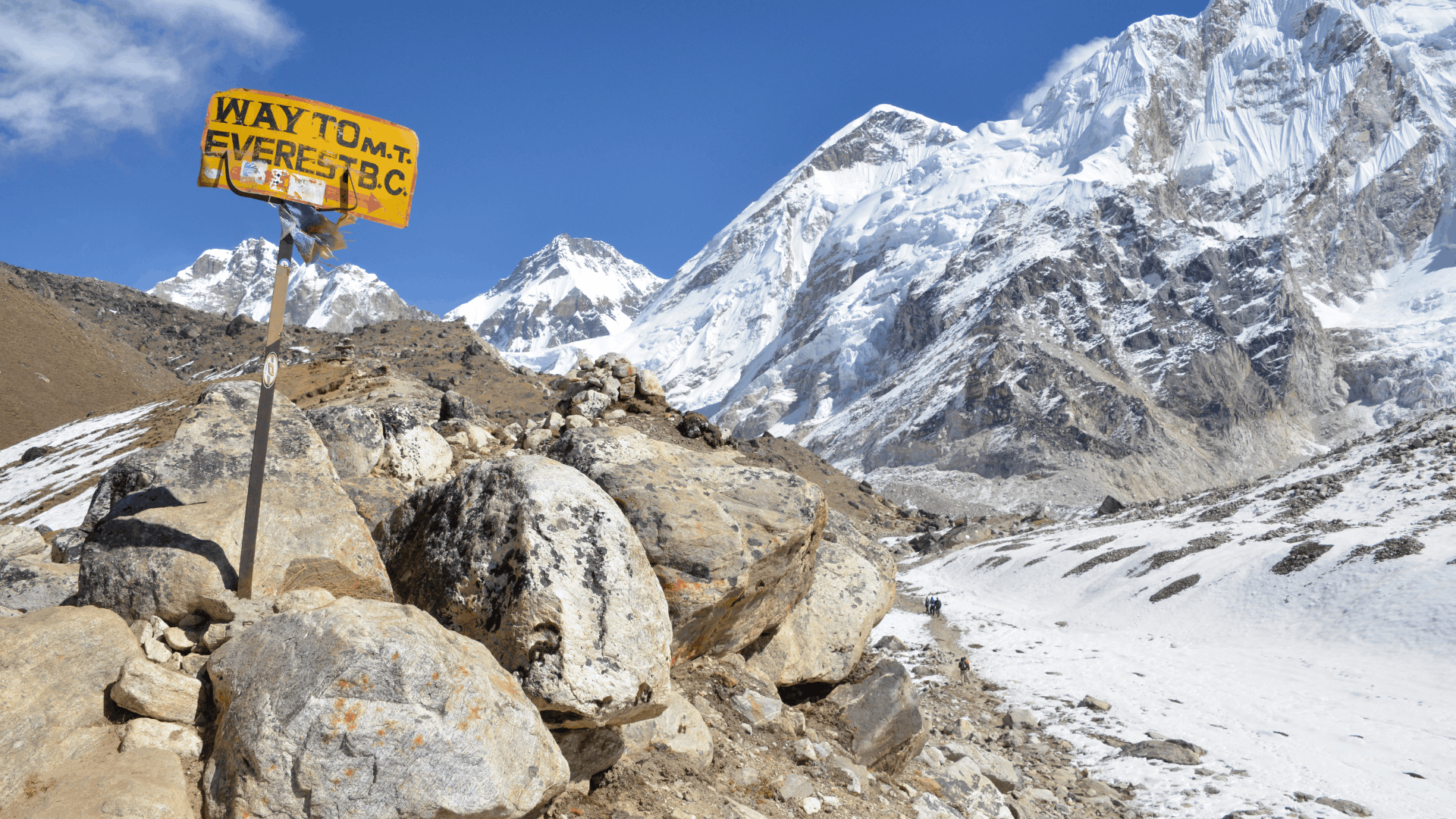
For environmental and safety reasons, landings at Kala Patthar and Everest Base Camp are now restricted. Most Everest tours either overfly the base camp or land at alternative points (like Gokyo) or at the Everest View Hotel. Check exactly what your package includes — overfly vs landing makes a big difference in price and experience.
3. High-Altitude Weight Limits Split Groups
At altitudes above ~3,500–4,000 m, thinner air reduces how much a helicopter can safely lift. Group flights may be split into shuttle groups of 2–3 passengers at the landing point. Bring accurate weights when you book.
4. Add Buffer Days
Because of delays, we strongly recommend keeping 1–2 backup days at the end of your trip. A tight schedule turns a minor weather delay into a missed flight — and that's entirely within your control to mitigate.
5. Travel Insurance Is on You
Flights, delays, and the tour itself are usually covered, but travel insurance (including high-altitude helicopter evacuation/medical coverage) is typically not included. Get a policy that covers helicopter flights specifically.
Best Time for a Helicopter Tour in Nepal
Timing is everything. The best time for a helicopter tour in Nepal are:
- Spring: March–May — clear skies, good visibility, blooming rhododendrons
- Autumn: September–November — the most reliable weather and best mountain views
Avoid, if you can:
- Monsoon (June–August) — rain and low visibility cause delays and rescheduling
- Deep winter (December–February) — cold and cloudy, though clear days do occur
Book your Nepal helicopter tour in spring or autumn for the highest chance of clear skies and on-time departure.
What Real Travelers Say About Helicopter Tours in Nepal
We're an operator, so take our word with a grain of salt — but here's what actual Go Heli Services passengers have said after their flights:
“Go Heli Services made my helicopter journey across Nepal truly unforgettable. Their team was professional, friendly, and ensured every detail was perfectly managed. I felt safe and well-supported throughout the flight.”
— James L, Australia
“From booking to the actual flight, Go Heli Services was outstanding. Their pilots and crew were knowledgeable and attentive, showing us breathtaking views that made the journey truly special.”
— Jim Spencer, England
“I'm so grateful to Go Heli Services for organizing such an incredible helicopter journey across Nepal. The staff was very responsive and handled everything smoothly.”
— Gavi, Spain
“Choosing Go Heli Services was the best decision for our family's adventure. Their professionalism, local expertise, and attentiveness made our journey comfortable and exciting.”
— Arnold Trent, England
We hold a 4.9/5 rating across 20+ reviews and are trusted by major aviation partners including Air Dynasty, Altitude Air, Fishtail Air, Simrik Air, and Kailash Helicopters.
Frequently Asked Questions
Is a Helicopter Tour in Nepal Safe?
Yes, when booked with a licensed operator using certified pilots and modern, well-maintained aircraft. Safety protocols include pre-flight inspections, strict weather assessments, and in-flight oxygen at high altitude.
How Much Does a Helicopter Tour in Nepal Cost?
Prices range from about $499 per person (Gosaikunda) to $1,300+ per person (Everest Base Camp), with private charters costing more depending on route and group size.
What's the Best Helicopter Tour in Nepal?
For first-timers, the Everest Base Camp Helicopter Tour is the once-in-a-lifetime choice. For value and a shorter trip, the Annapurna Base Camp Helicopter Tour from Pokhara (from $575) is excellent.
Can Children or Elderly People Take a Helicopter Tour?
Yes. Helicopter tours require no trekking and are suitable for all ages and fitness levels, making them ideal for families, seniors, and travelers with limited mobility.
How Long Is a Helicopter Tour in Nepal?
Most are single-day trips lasting 1.5 to 5 hours, depending on the route. Some luxury and heli-trek options span multiple days.
Bottom Line: Is a Helicopter Tour in Nepal Worth It?
For most travelers with limited time, mobility constraints, or a special occasion on the calendar — yes. A helicopter tour is the fastest, most comfortable, and most unforgettable way to see the Himalayas, and the price reflects a fully permitted, door-to-door, high-altitude experience that would otherwise take weeks of trekking.
But it's not magic. It costs more than trekking, it won't give you cultural immersion, and weather can disrupt even the best plan. If you go in with realistic expectations — choose spring or autumn, keep a buffer day or two, and book with a reputable operator — a Nepal helicopter tour is one of the best value-for-special experiences in the country.
Ready to book? Contact us on WhatsApp at +977 9851434266 for instant pricing, or explore our full range of helicopter tours in Nepal to find the perfect flight for your next adventure.

Go Heli Services