
Helicopter Safety Standards in Nepal
Understand how helicopter operations are managed in Nepal and what passengers can do to enjoy a safe and comfortable flight experience.
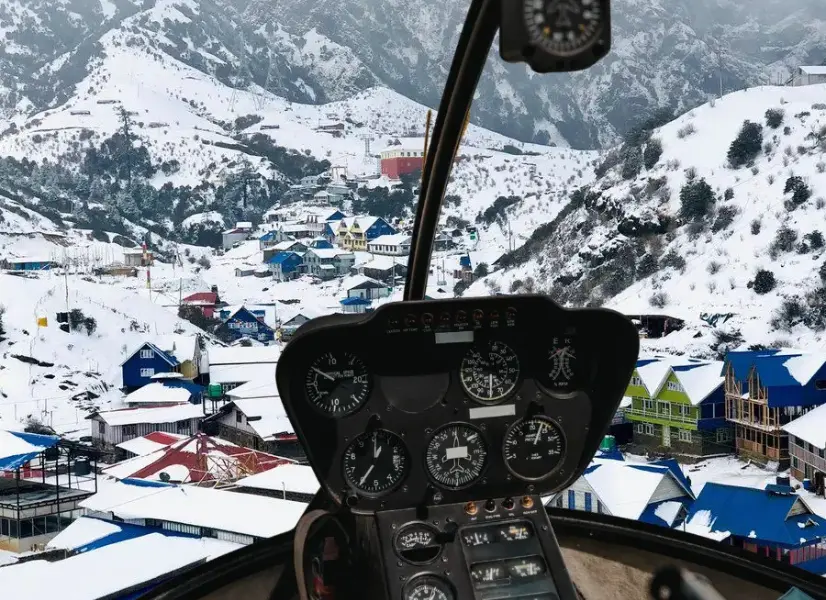
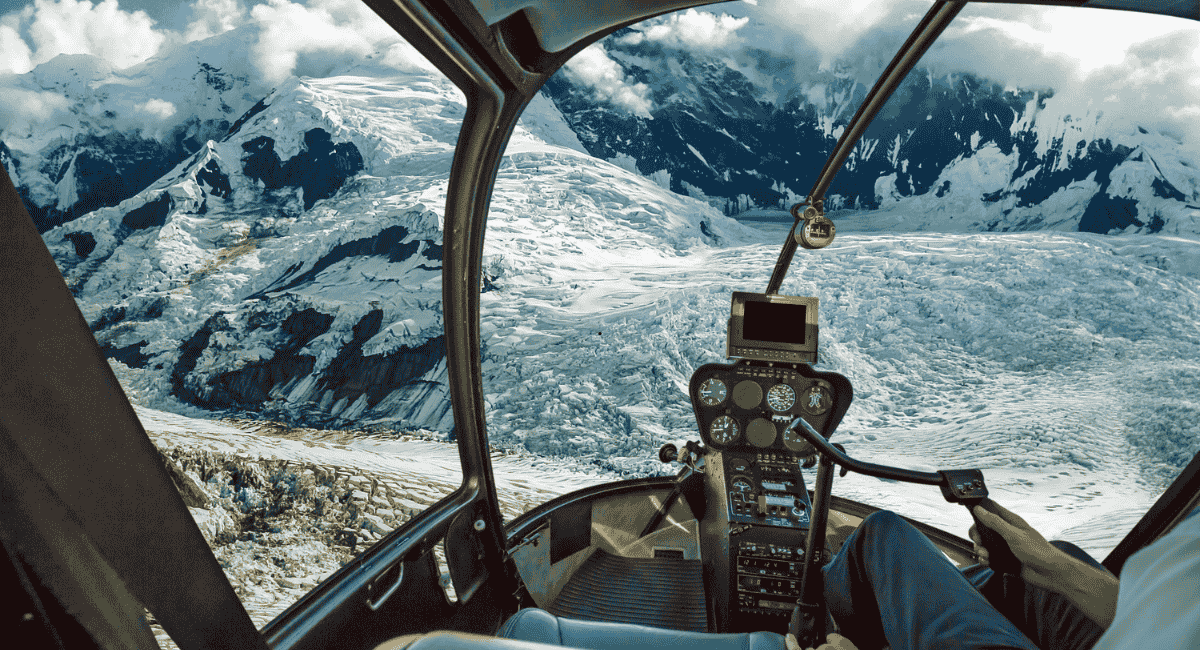
Helicopter tours in Nepal operate across some of the world’s most dramatic mountain landscapes, including Everest, Annapurna, Langtang, Muktinath, Gosaikunda, and Lukla. Because these routes involve mountain weather, high-altitude landing areas, and changing visibility conditions, safety-focused planning is an important part of every flight.
This guide explains the key safety considerations for helicopter tours and private charters in Nepal, including weather checks, pilot experience, passenger briefings, boarding procedures, high-altitude flight planning, and practical travel tips for passengers.
Helicopter Safety Standards in Nepal
Helicopter operations in Nepal are guided by aviation procedures, aircraft performance limits, weather evaluation, passenger safety requirements, and route-specific planning. Mountain flying requires careful coordination because conditions can vary between Kathmandu, Lukla, Everest region, Annapurna region, and high-altitude landing points.
- Weather assessment: Flights are reviewed based on visibility, wind, cloud cover, and route conditions.
- Aircraft performance planning: Passenger weight, altitude, and route distance are considered before departure.
- Passenger briefing: Travelers receive instructions for boarding, landing, seating, and communication.
- Operational coordination: Flight timing, helipad handling, and landing conditions are checked before the flight.
- High-altitude planning: Flights to Everest, Annapurna, and other mountain regions require extra route and weight consideration.
Professional Pilots and Flight Operations
Mountain helicopter flights require skilled pilots who understand Himalayan terrain, route conditions, altitude performance, wind behavior, and landing procedures. Professional flight operations also include coordination between ground teams, airport handling teams, and flight dispatch support.
For travelers, this means flight decisions are not based only on itinerary preference. They are guided by safe operating windows, aircraft performance, visibility, route conditions, and the pilot’s final operational judgment.
Weather and Mountain Flying Conditions
Weather is one of the most important safety factors for helicopter tours in Nepal. Even during spring and autumn, mountain weather can change quickly. Visibility, clouds, wind speed, temperature, and landing conditions all influence whether a flight can operate as planned.
Morning flights are usually preferred for Himalayan routes because skies are often clearer and winds are generally calmer earlier in the day. If conditions are not suitable, flights may be delayed, rerouted, or rescheduled.
- Clear visibility is needed for mountain navigation.
- Strong wind can affect landing and route decisions.
- Cloud cover may reduce visibility around high-altitude areas.
- Weather can differ between departure point and destination.
- Flexible travel dates help when flying to Himalayan regions.
Passenger Safety Procedures
Before boarding, passengers are usually briefed about safe movement around the helicopter, seating instructions, communication rules, and behavior during takeoff and landing. Following these instructions helps ensure a smooth and comfortable flight experience.
| Safety Area | Passenger Guidance |
|---|---|
| Boarding | Follow ground staff instructions and approach only when guided. |
| Seating | Remain seated with seatbelt fastened throughout the flight. |
| Baggage | Carry only approved baggage according to weight and route requirements. |
| Photography | Follow crew instructions and avoid unsafe movement during flight or landing. |
| Landing | Wait for instructions before leaving the helicopter area. |
Boarding and Landing Guidelines
Boarding and landing are important moments where passengers must carefully follow the instructions of the pilot, ground staff, or flight team. Helicopter rotors, wind movement, uneven ground, and high-altitude landing areas require calm and careful movement.
- Wait for staff instructions before approaching the helicopter.
- Keep loose clothing, scarves, hats, and lightweight items secure.
- Do not walk around the helicopter without guidance.
- Remain seated until instructed to exit.
- Follow all boarding and landing instructions calmly.
High-Altitude Flight Considerations
Many helicopter tours in Nepal involve high-altitude regions such as Everest Base Camp, Kala Patthar area, Annapurna Base Camp, Langtang Valley, Gosaikunda, and Muktinath. At higher altitudes, aircraft performance, passenger weight, landing conditions, and weather become especially important.
Passengers should follow baggage limits, provide accurate body weight when requested, dress warmly, and listen carefully to safety instructions. High-altitude stops may be short depending on weather, oxygen level, and operational conditions.
Everest Base Camp Helicopter Tour · Annapurna Base Camp Helicopter Tour · Gosaikunda Helicopter Tour
Travel Tips for Helicopter Passengers
Good preparation helps make your helicopter tour more comfortable and enjoyable. These simple tips are useful for first-time passengers and travelers joining Himalayan helicopter routes.
- Book early during spring and autumn seasons.
- Choose morning flights when possible.
- Carry only essential baggage.
- Wear warm layers for high-altitude destinations.
- Use sunglasses for strong mountain glare.
- Follow pilot and ground staff instructions at all times.
- Keep backup time in your itinerary for weather changes.
Helicopter Booking Guide · Private vs Sharing Flights · Daily Helicopter Schedule Nepal
Popular Helicopter Tours with Safety Planning
These popular helicopter routes require weather checks, passenger coordination, route planning, and high-altitude safety awareness before departure.
Everest Base Camp Helicopter Tour
High-altitude Everest region flight requiring weather and weight planning.
Kathmandu to Lukla Helicopter Flight
Mountain transfer route where visibility and weather are important.
Annapurna Base Camp Helicopter Tour
Scenic Annapurna flight with high-altitude landing considerations.
Langtang Valley Helicopter Tour
Short Himalayan flight close to Kathmandu with mountain weather planning.
Helicopter Safety FAQs
Are helicopter tours safe in Nepal?
Helicopter tours in Nepal are planned with weather checks, route evaluation, aircraft performance considerations, passenger coordination, and pilot judgment before operation.
How are flights affected by weather?
Weather can affect visibility, wind, route conditions, and landing decisions. Flights may be delayed or rescheduled if conditions are not suitable.
What safety briefing is provided before departure?
Passengers are usually briefed about boarding, seating, seatbelts, communication, baggage, photography, and landing instructions.
Do pilots have mountain flying experience?
Helicopter flights in Nepal are operated by professional pilots familiar with mountain routes, weather patterns, and high-altitude flight conditions.
What should passengers do during takeoff and landing?
Passengers should remain seated, keep seatbelts fastened, secure loose items, and follow instructions from the pilot or ground team.
Are high-altitude helicopter flights safe?
High-altitude flights require additional planning for weather, weight, route, and landing conditions. Flights operate only when conditions are suitable.
Can elderly travelers join helicopter tours?
Many elderly travelers can join helicopter tours, especially because helicopters reduce long walking time. High-altitude routes should be discussed before booking.
What happens if weather is not safe for flying?
If weather is not suitable, flights may be delayed, rescheduled, or adjusted according to operational and safety conditions.