

 Overview
 Include/Exclude
 Itinerary
 Route Map
 Fixed Departure
 Faqs
Faqs
 Reviews
Overview & Experience of Everest Base Camp Trek with Helicopter Return
Do you want to trek to Everest Base Camp Trek with a helicopter return? This 12-day trek to Everest Base Camp (5,364 meters) in the Everest region is an experience to remember for a lifetime. The helicopter ride back adds to the thrill of approaching Mount Everest. Spring (March-May) and autumn (September-November) are the best times to travel. Snow-capped mountains, gorges, Sherpa villages, ancient monasteries, and Himalayan culture are its main attractions. This is a great package for those who want to have a great experience in a limited time. Book today and embark on a journey to Everest.
This journey begins from Lukla Airport. The adventure begins as soon as you land from a small plane. The trail is filled with dense forests, river bridges, and ups and downs. The hustle and bustle of Namche Bazaar mingles with the clatter of trekkers and yaks. As we slowly cross the Tenzing-Hillary Bridge, the mountain breeze feels both thrilling and exhausting. The atmosphere changes as the altitude gradually increases. Every step feels like a step towards Mount Everest.
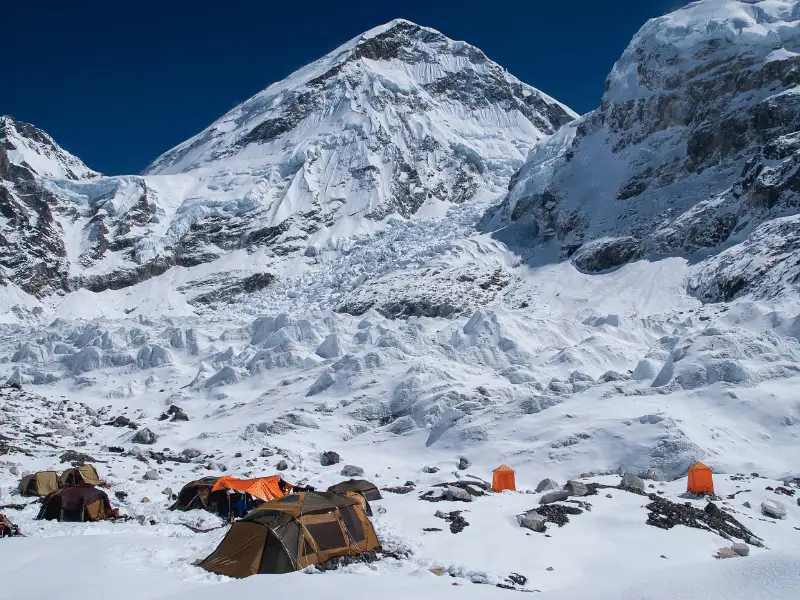
Reaching the Everest Base Camp fills the mind with pride and excitement. The vast mountains and glaciers are visible all around. Once there, you have the opportunity to take photos, spend time in a peaceful environment, and feel the success of your journey. Climbing Kala Patthar early in the morning, the view of Everest at sunrise is unforgettable.
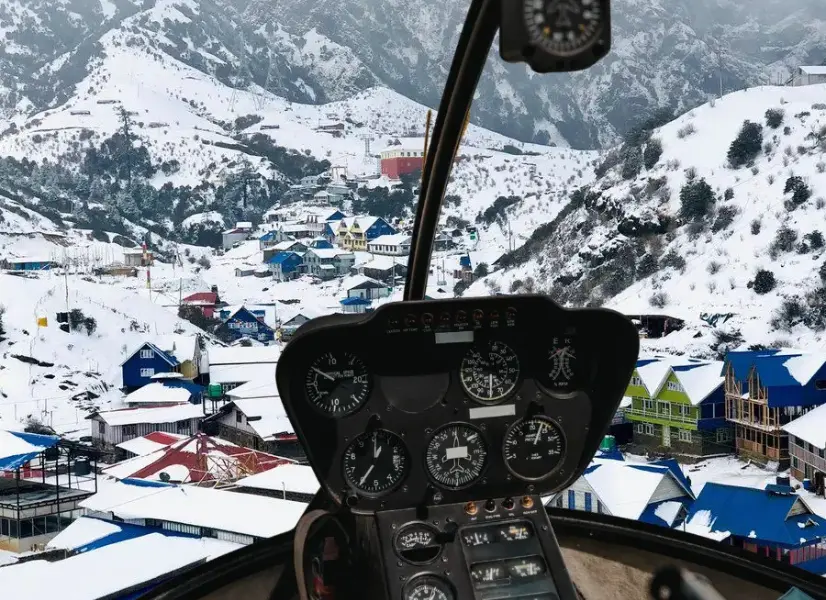
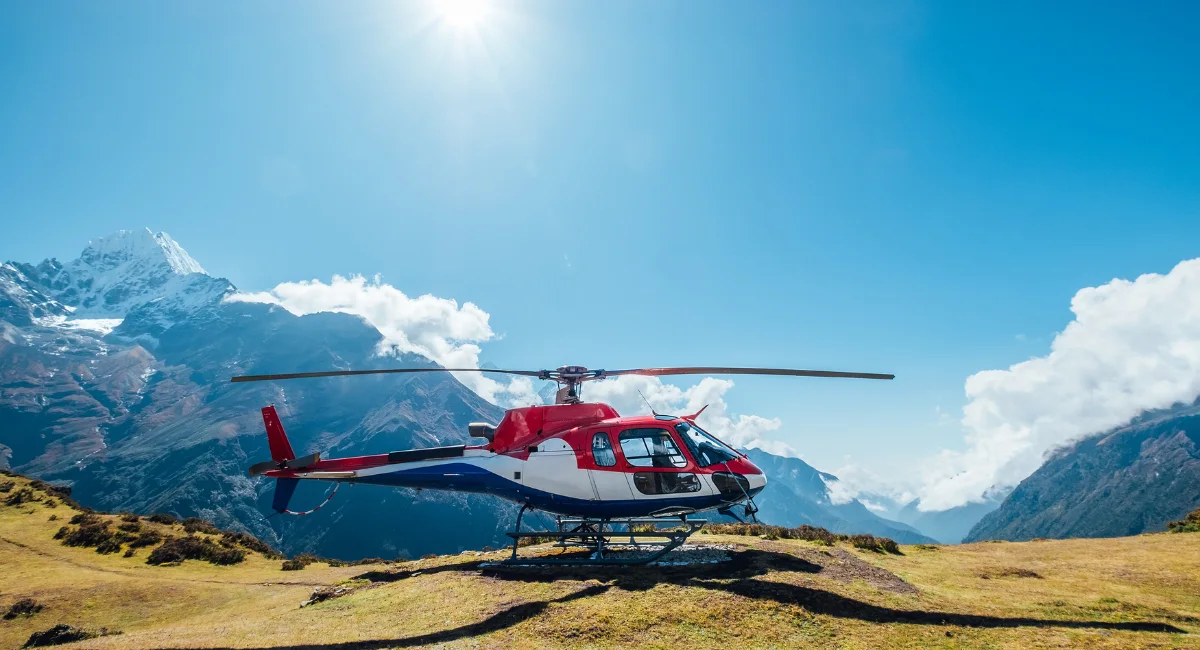
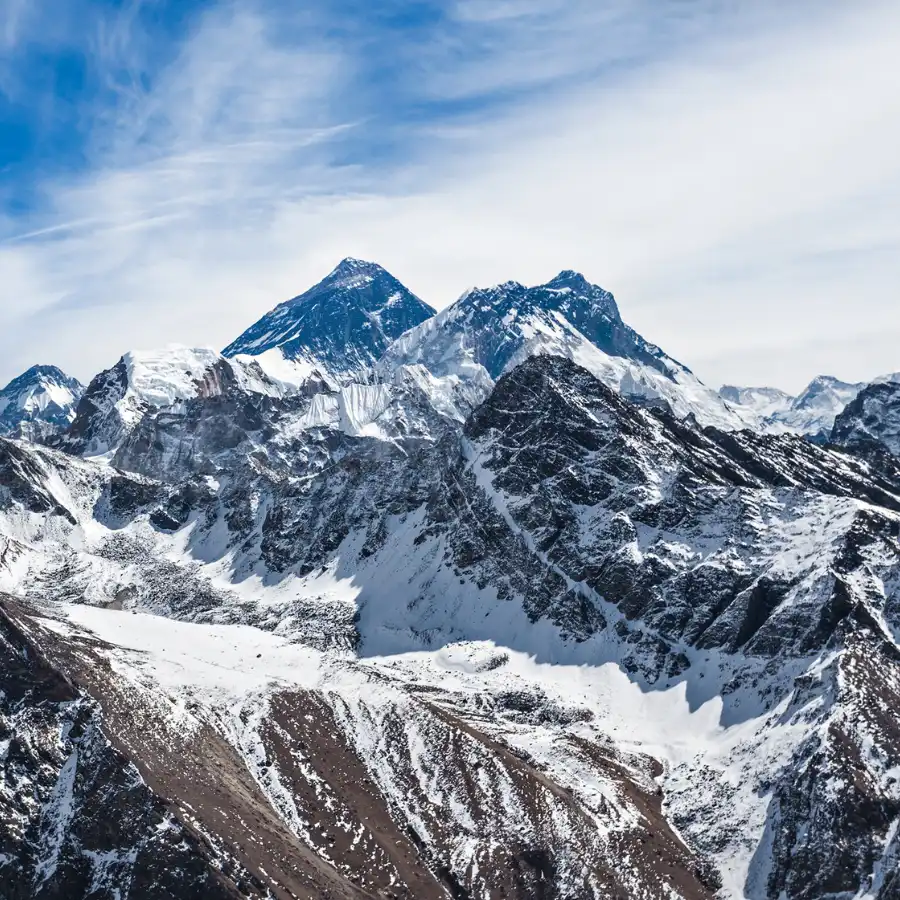
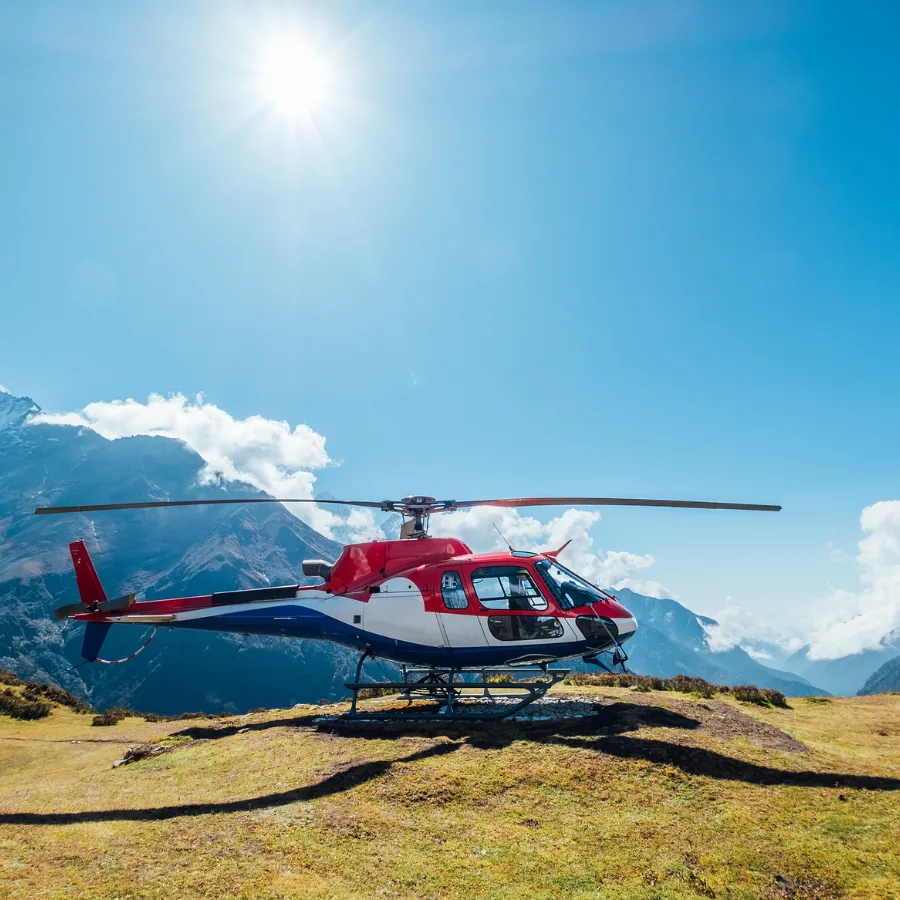
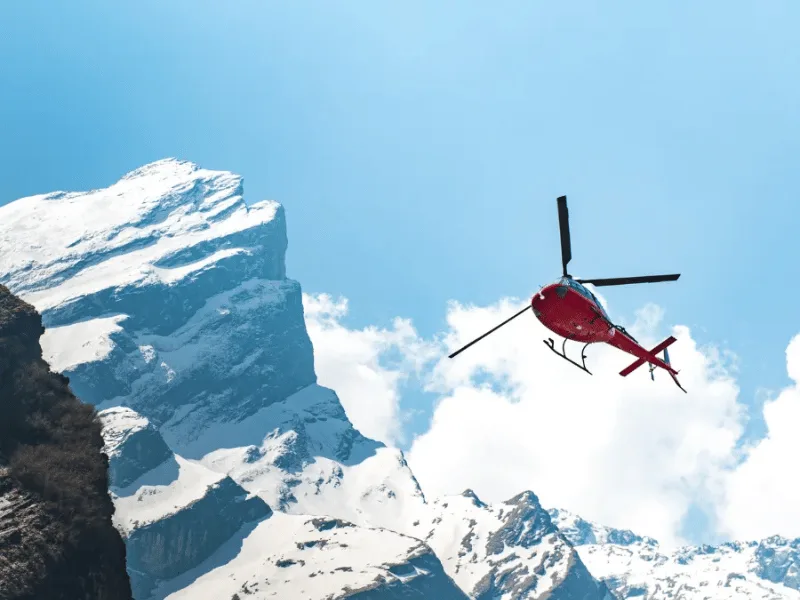
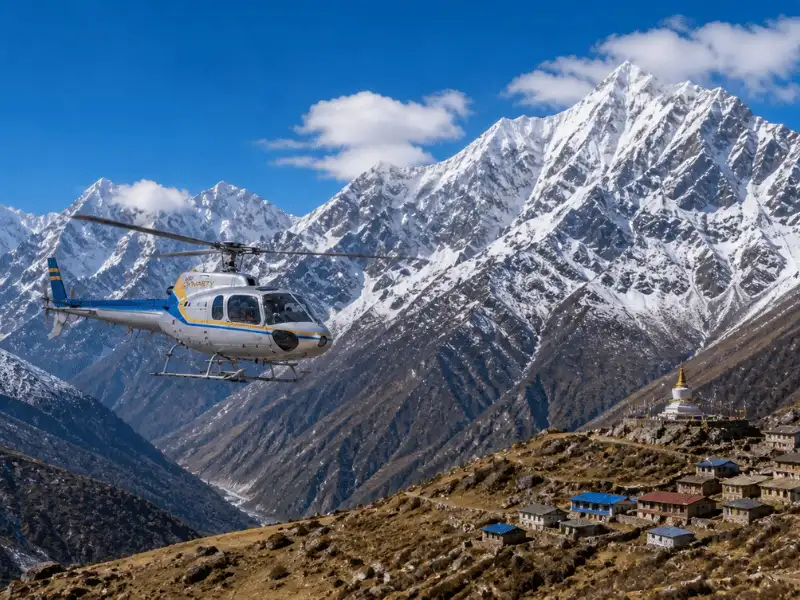
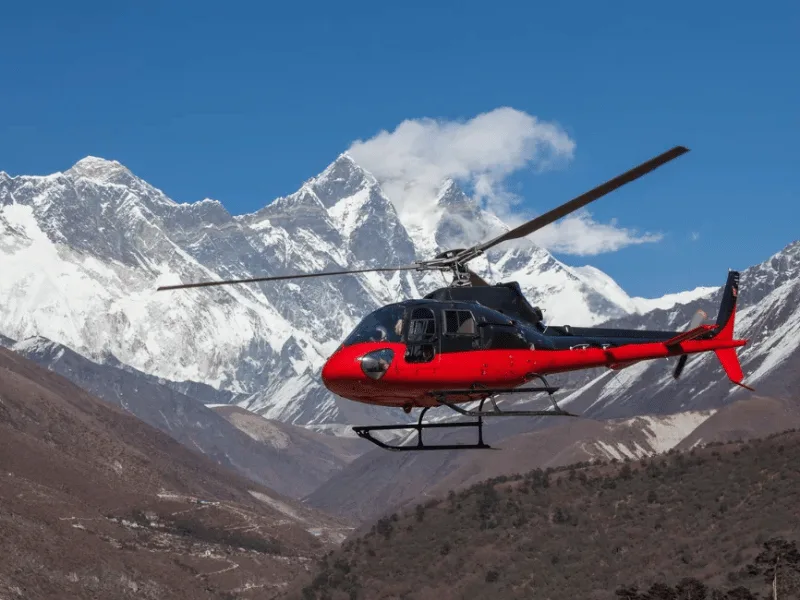
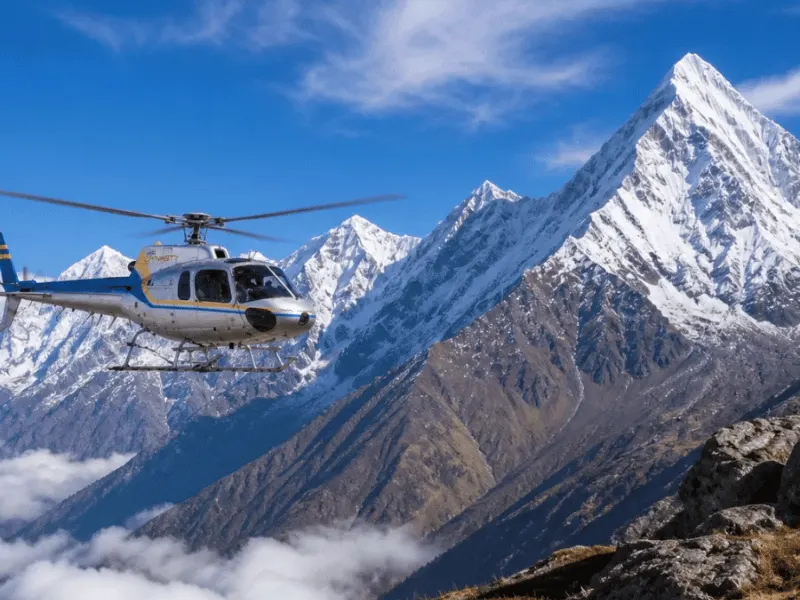
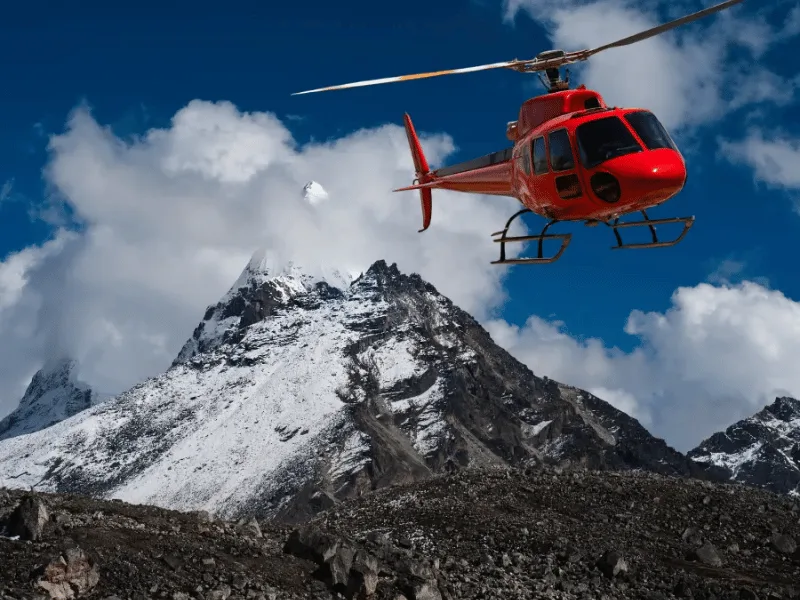
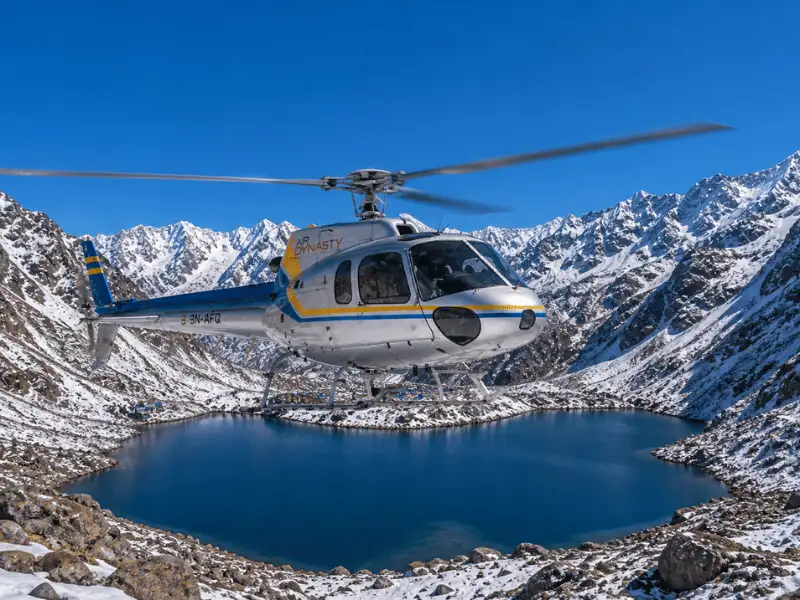
As the golden glow of sunrise falls on Mount Everest on a cold Kalapatthar morning, every trekker falls silent. Then, as the sound of helicopters approaches, the mind begins to soar. The opportunity to see the Nung Himal, Lhotse, Nuptse, and the Everest Valley from the sky is a once-in-a-lifetime treasure. This experience instills a sense of pride that says, ‘I did it,’ and immense respect for the mountains.
Similarly, every day of the trek carries its own adventure story. Listening to the roar of the icefall in Dingboche or seeing the mani stones on the way to Lobuche, one is touched by the serene beauty of this place. The rhythm of the bells that ring after the Buddhist monks finish their prayers at Tenboche Monastery teaches us that spirituality also pulsates on the mountain peaks. These small moments move our hearts from the inside out.
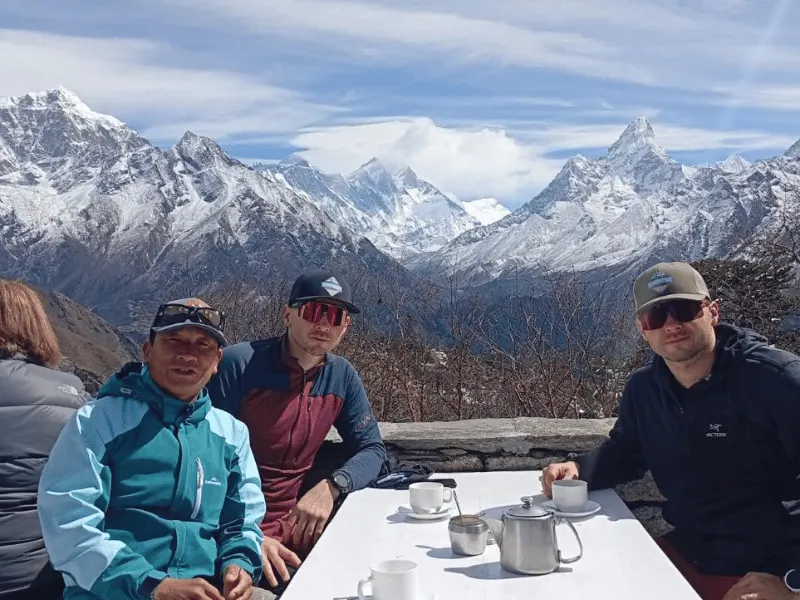
Every night we stay at the teahouse of a local Sherpa family. The heat of the butyan on the floor, the messages of the trekkers on the walls, and the hot lemon water in the glass feel very warm. In the food, ‘dalbhaat’ is a source of strength, which is given as often as you ask for it. Even simple dishes like Tibetan bread, omelette, and potato ‘salli’ become unforgettable. Sharing stories with trekkers from all over the world in the dining room, a mug of hot tea warms both hands and soul.
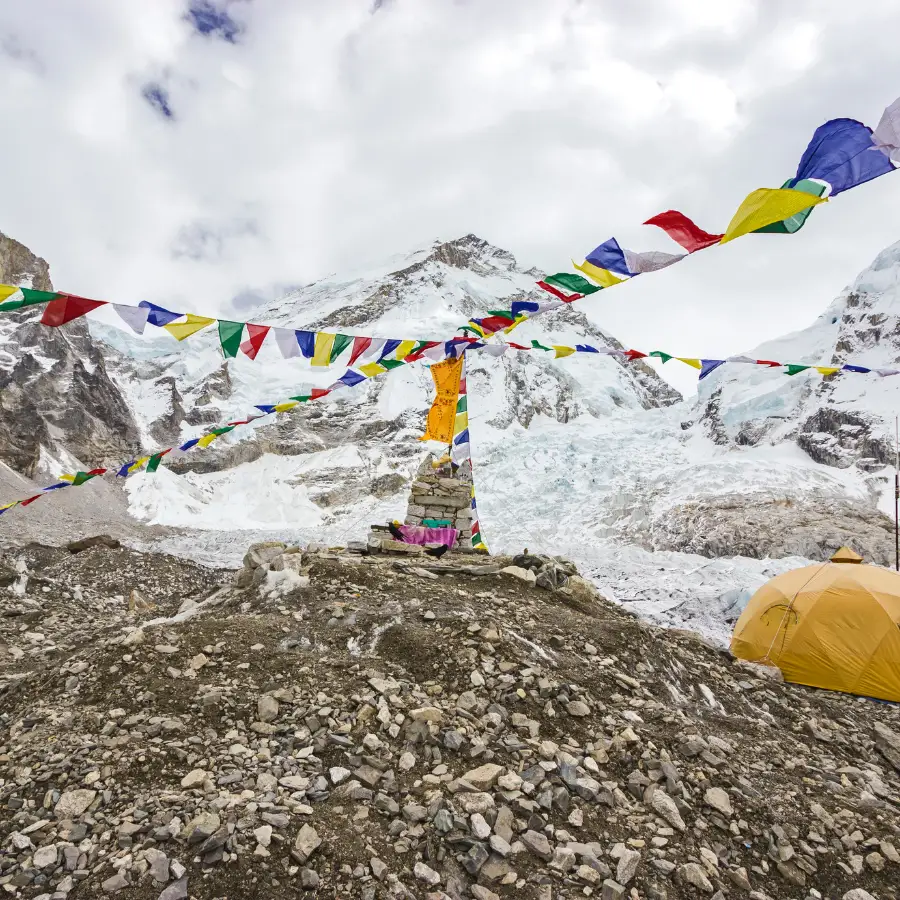
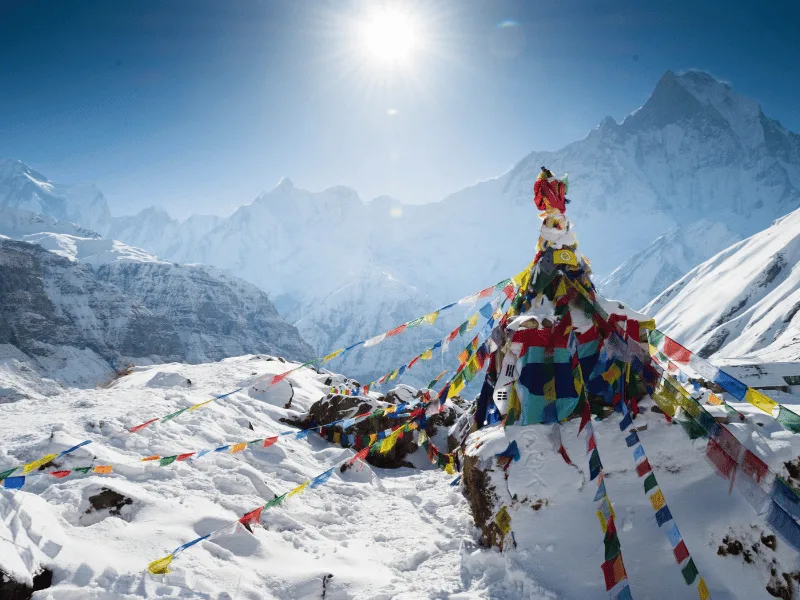
The Khumbu region is painted with the deep colors of Buddhism. The prayer flags (lung ta) fluttering in the sky and the stone chortens carry the blessings of the Buddha. Here, people greet each other with ‘Tashi Delek’ (greetings), and the Sherpa tribes like Manang and Mustang celebrate festivals like Lowang and Dumji with joy. The local language is a mix of Sherpa and Nepali. Their daily lives are dedicated to serving the mountains along with trade, animal husbandry, and tourism, which makes every visitor a learner.
This 12-day journey is not easy, but the return helicopter facility makes it possible for all age groups. The magnetic attraction of the mountains, the hospitality of the Sherpas, the simplicity of the teahouse, and the luxury of the helicopter make this journey complete. It is a journey that you will never forget, even after you die, which will keep you coming back and telling the story of the mountains in your daily life.
To plan your adventure and secure your helicopter seat, contact our WhatsApp number today. Contact us. Ask us for group discounts and flexible dates.
Key Highlights of the Everest Base Camp Trek With Helicopter Return
The Everest Base Camp Trek (5,364 meters) with a return helicopter ride is a great experience in Nepal's Himalayan treks. Spring and autumn are the best times to trek. This 12-day heli trek is a wonderful blend of snow-capped mountains, deep gorges, Sherpa villages, ancient monasteries, and Himalayan culture.
- Everest Base Camp Trek with Helicopter Return: A 12-Day Journey of a Lifetime
The Everest Base Camp Trek (5,364 meters) with a helicopter return is a great experience in Nepal’s Himalayan treks. Spring and autumn are the best times for this trek. This 12-day trek is a wonderful blend of snow-capped mountains, deep gorges, Sherpa villages, ancient monasteries, and Himalayan culture.
- From Lukla to Namche: The beginning of adventure
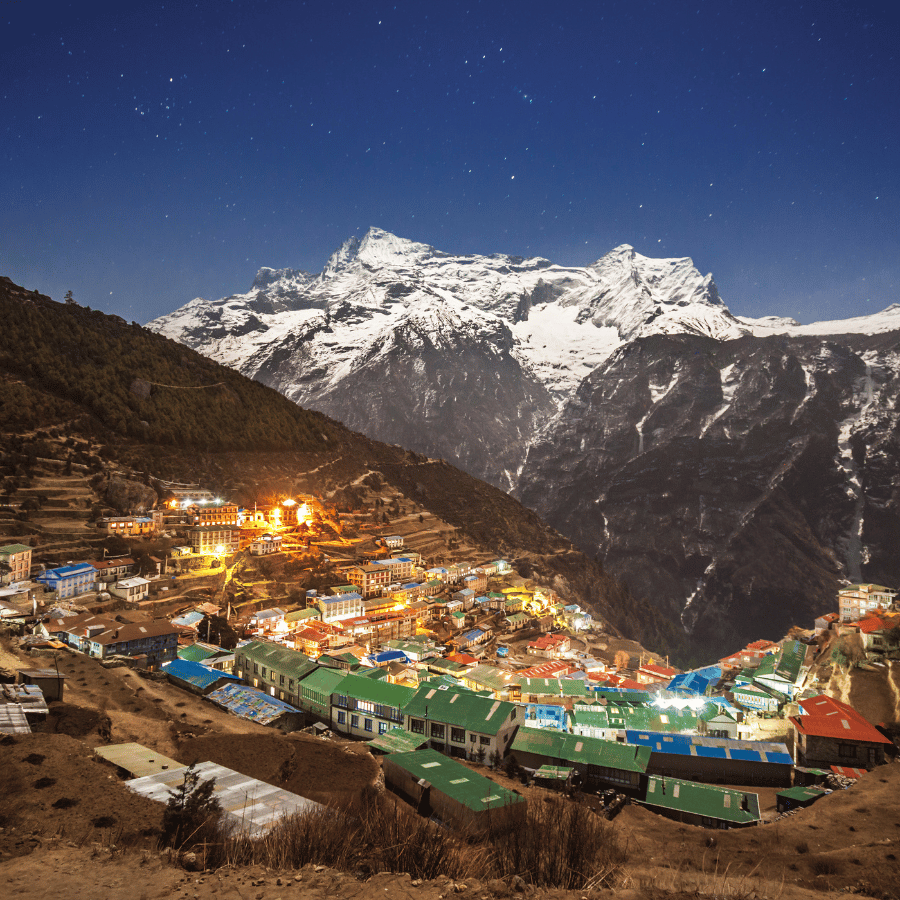
The trek begins at Lukla Airport. The feeling of adventure comes as you land in a small plane. The journey is filled with dense forests, suspension bridges, and ups and downs. The hustle and bustle of Namche Bazaar, the clatter of trekkers and yaks, captivates the mind. The mountain breeze refreshes both body and mind as you cross the Tenzing-Hillary Bridge.
- Everest Base Camp and Kalapathar: The proudest moment of life
When you reach Everest Base Camp, your heart is filled with pride and excitement. You can see huge mountains and rivers of snow all around. When you climb Kalapathar in the morning, the golden rays of sunrise falling on Everest are unforgettable. Then, when you return by helicopter, the aerial view of the Salt Mountains, Lhotse, Nuptse, and the Everest Valley makes life rich.
- Tenboche and Lobuche: The union of spirituality and nature
The rhythm of the bells ringing after the prayers of Buddhist monks at Tenboche Monastery teaches us that spirituality is alive even on the mountain peaks. The roar of the snow-covered waterfalls in Dingboche and the gemstones seen on the way to Lobuche make you feel the depth of peace.
- Local tea houses and Sherpa culture: Experience warmth
Every night, you stay in the tea house of a Sherpa family. The warmth of the Butyan placed on the floor, the messages of trekkers on the walls, and the hot lemon water are soothing. The food is a source of energy - the dal bhaat is available as often as you ask for it. Even simple dishes like Tibetan bread, omelette, and aloo salli are unforgettable. The local language is a mix of Sherpa and Nepali. It is called 'Tashi Delek' (greetings). Festivals like Lowang and Dumji are celebrated here with great joy.
- Helicopter Return: An Easy Journey for All Ages
This 12-day trek is not easy, but the return by helicopter arrangement makes it possible for all ages. The magnetic attraction of the mountains, the hospitality of the Sherpas, the simplicity of the tea house, and the luxury of the helicopter make this journey complete.
EBC Trek Itinerary & Route Overview with Helicopter Return
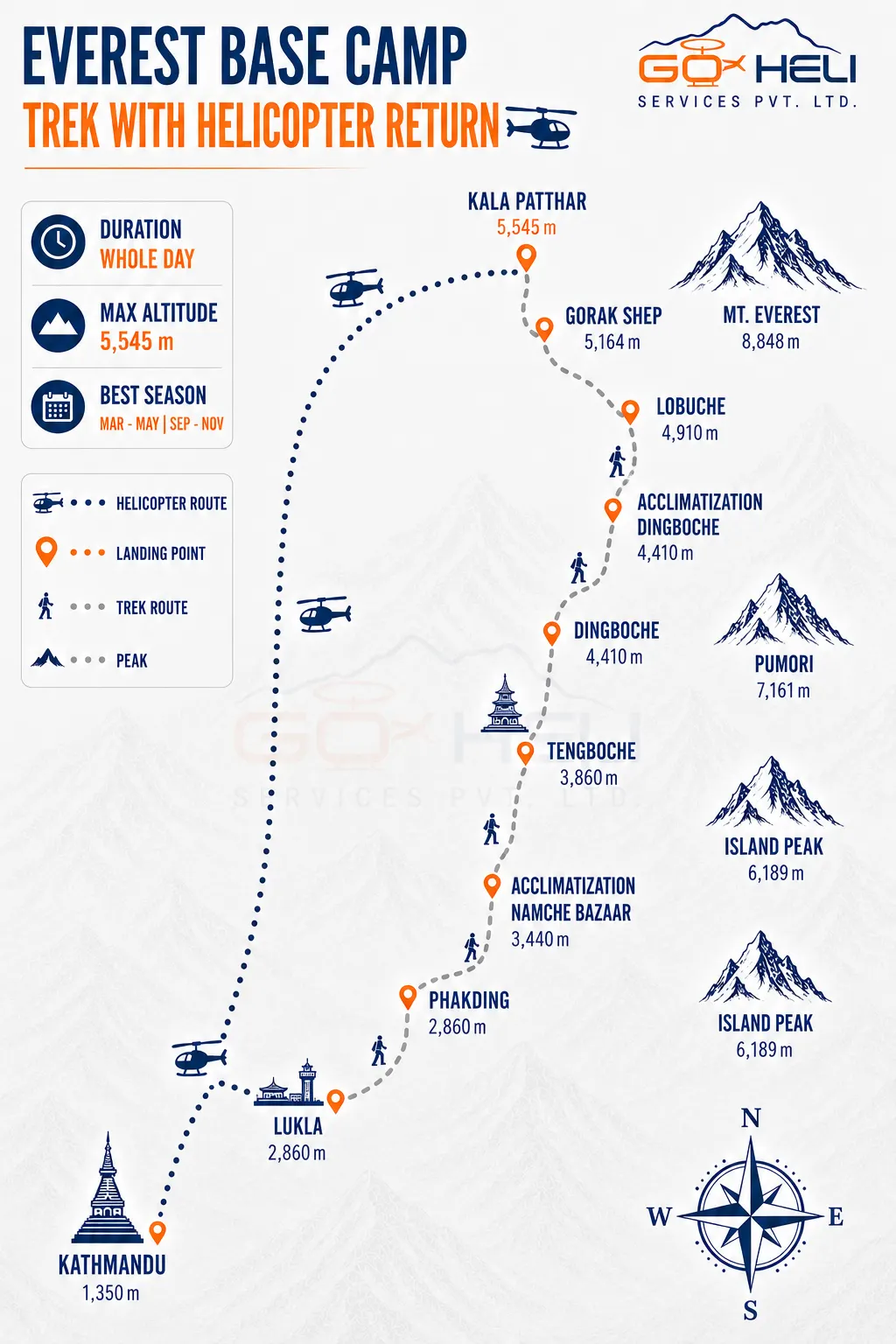
On the first day of this journey, you will reach Tribhuvan International Airport, Kathmandu, and rest at the hotel. On the second day, fly to Lukla, or go to Manthali (Ramechhap) and from there fly to Lukla and start trekking to Phakding. On the third day, go to Namche Bazaar from Phakding. On the fourth day, acclimatization day in Namche, a short hike to Hotel Everest View. On the fifth day, go to Tengboche from Namche. On the sixth day, go to Tengboche from Tengboche. On the seventh day, acclimatization in Dingboche and return to Nangkartsang Peak. On the eighth day, go to Lobuche.
On the ninth day, reach Everest Base Camp from Lobuche and return to Gorak Shep. On the tenth day, reach Kala Patthar early in the morning and descend to Gorak Shep, from there return to Lukla by shared helicopter. On the eleventh day, fly to Kathmandu or Manthali from Lukla and drive to Kathmandu. On the twelfth day, depart from Tribhuvan Airport in Kathmandu.
Everest Base Camp Trek with Helicopter Return – 12 Days itinerary
Luxury Helicopter Transfer: Experience & Benefits
Everest Base Camp Trek with Helicopter Return is an excellent way to combine the benefits of helicopter flight and Everest Base Camp Trekking. Instead of walking down long and tiresome trails after reaching EBC, tourists can have a very simple and comfortable ride from the helicopter to Lukla and then enjoy the flight to Kathmandu without missing the breathtaking landscapes of the Himalayas from a whole new perspective.
However, these advantages do not just comprise convenience. A helicopter can cover the distance in a short time, which leaves you less tired and less prone to the problems of altitude change. On the other hand, the opportunity to take photos of the Himalayan snow peaks, glaciers, and green valleys is not limited only to the ground level. Besides, one of the greatest points of the trip is that this method is a safe, quick, and wonderful option for families, couples, or anyone who does not have enough time but still desires to enjoy a traditional trekking experience.
Main Benefits:
- Saving Time: You can complete your trek in less time and even enjoy the main highlights.
- Safety and Comfort: You can minimize physical exertion and oxygen deficiency problems at high altitudes.
- Wonderful Scenery: You will be flying over the highest mountains in the world and the valley of glaciers, cutting through rocks.
- Travel at Leisure: You can set your departure times and go for private transfers for maximum comfort.
A luxury helicopter transfer allows you to integrate the pleasure of trekking with a luxury helicopter trip. So, a mountain adventure that is both amazing and smooth can be made possible for you in the Himalayas. If you want to go to the Everest Region and still keep safety, convenience, and incredible scenery as the three pillars of your trip, then you will find the helicopter transfer to be the best alternative.
Cost & Package Details for Everest Helicopter Return Trek
The Everest Helicopter Return Trek is designed for trekkers who want the full experience of the Everest trail without the long return journey on foot. It blends classic trekking days with a scenic helicopter flight from the high Himalayas back to Kathmandu, making the overall journey more comfortable, time-efficient, and visually spectacular.
The cost of this trek varies depending on group size, service level, and season, but it generally falls within the mid-to-luxury trekking category.
Everest Helicopter Return Trek Cost Breakdown
The Everest Helicopter Return Trek is one of the most efficient and scenic ways to experience the Everest region. While it is more expensive than a standard trekking package, it offers unmatched convenience, spectacular aerial views, and a shorter itinerary without compromising the Everest experience.
It is best suited for travelers who want a luxury Himalayan journey with maximum experience in minimum time.
Best Time for the Everest Base Camp Trek in Nepal
The ideal time for the Everest Base Camp Trek with Helicopter Return is during the spring (March, May) and autumn (September, November) seasons. These times offer clear skies, stable weather conditions, and amazing visibility, which, apart from making trekking and helicopter flights safer, also add to the fun and enjoyment of the activities.
Spring (March, May): The weather during springtime is mostly pleasant, and the snow-capped Himalayan peaks are clearly visible. Snow is melting in the lower areas and rhododendron flowers are blooming in the valleys. Helicopter trips getting underway in the early morning from Gorak Shep to Lukla provide unforgettable views of Everest, Nuptse, and the neighboring mountains.
Autumn (September, November): It is during autumn that one is referred to as the most dependable time to perform the EBC Trek with Helicopter Return. Since the post-monsoon skies are most likely to be clear, temperatures are comfortable, and the winds are low, one can expect these blessed conditions for trekking, coupled with the helicopter return of high visual delight. In that way, both safety and photography will be ensured.
Winter (December, February): It is not that one cannot partake in the winter trek but he/she should be prepared for the much colder weather and possible snowstorm to represent an obstacle to both the movement and the helicopter flight. For a more visible flight, it is better to opt for a morning flight but still, it is quite possible for the flights to be canceled due to unfavorable weather conditions.
Monsoon (June, August): Most of the monsoon is characterized by heavy rains, dense cloud cover, and limited visibility which not only make helicopter flights risky but at the same time, trekking paths may be slippery and challenging. Thus, monsoon is strongly discouraged for this heli trek.
If you want the safest, most comfortable, and scenic experience, pick the EBC Heli Trek during spring or autumn when mountain views, weather stability, and helicopter operations are at their best.
Accommodation, Food & Comfort on the Everest Base Camp Trek
When experiencing the Everest Base Camp Trek with Helicopter Return, comfort is a key factor that influences how you can keep your energy up and have a great experience. The accommodations on the path are mainly traditional tea houses and mountain lodges that provide a cozy and friendly environment where one can rest after the physically demanding days of trekking. As you progress higher to places like Namche Bazaar, Tengboche, and Gorak Shep, the facilities may be less luxurious, but they will still be clean and well-maintained
Accommodation Experience:
- Tea Houses: Basic yet comfortable rooms with twin beds and shared facilities
- Upgraded Lodges: Available in select locations with improved comfort and amenities
- High-altitude stays: Warm dining areas, limited electricity, and optional hot showers
Food & Dining Options:
- Nutritious meals such as dal bhat, soups, noodles, and rice dishes
- Availability of continental meals like pasta, pancakes, and eggs
- Hot drinks, including tea, coffee, and soups, to help with hydration and warmth
Comfort & Practical Tips:
- Carry energy snacks for long trekking days
- Dress in layers to adapt to changing temperatures
- Prioritize rest and acclimatization at key stops like Namche Bazaar and Dingboche
- Stay hydrated to support your body at high altitude
The mix of basic accommodation, wholesome food, and good sleep is what helps make a trekking trip comfortable. Having reached the Everest Base Camp, the helicopter return is more than a mere convenience, it's a way of treating oneself to fantastic aerial views of the Himalayan landscapes while skipping the lengthy walk down.
Safety Guidelines, Altitude & Weather Considerations
Both trekking and helicopter travel in the Everest region need proper safety measures, together with altitude requirements and weather conditions for their safe operation. The Everest Base Camp Trek with Helicopter Return allows you to reach high altitudes quickly. However, you must respect your body’s adjustment needs together with the mountain weather, which changes unexpectedly.
- Altitude Management
People experience mild altitude sickness at elevations that exceed 5000 meters. The process of acclimatization needs to happen through gradual acclimatization from Namche Bazaar to Dingboche. Trekking requires three basic practices that include proper hydration, controlled walking speed, and complete alcohol prohibition to maintain comfort.
- Helicopter Safety in the Himalayas
Pilots operating in the Everest region need to complete special training for confronting high-altitude conditions together with their skills in fog navigation and strong wind and cloud cover operation. Helicopter flights from Gorak Shep to Lukla operate during early morning hours because this time brings clearer skies and calmer winds which create safer conditions and provide beautiful mountain views.
- Weather Considerations
The most favorable seasons for the EBC Trek with Helicopter Return are spring (March–May) and autumn (September–November). Monsoon months bring heavy rain and cloud cover that create poor visibility conditions and make trekking paths dangerous and slippery. The winter season brings cold temperatures and occasional snowstorms, which require people to wear warm clothing and use appropriate gear.
The trekking experience to Everest Base Camp and the helicopter return flight provide a secure trip that becomes memorable through observing safety precautions and following altitude rules.
Everest Base Camp Trek with Helicopter Return vs Standard Everest Base Camp Trek - Which One Should You Choose?
Deciding between a helicopter return option or traditional trekking route is mainly a matter of your time, comfort level and travel goals. Obviously, both options will take you around the iconic Everest region. However, the experiences, or rather your stay, will be very different in terms of duration, effort, and convenience.
The Everest Base Camp Trek with Helicopter Return is more suitable for travelers who want to complete the trek but do not want to spend the long descent. After visiting Everest Base Camp and Kala Patthar, a helicopter flight from Gorak Shep to Lukla will be your fast and beautiful return. It is a great way of saving time and decreasing physical pressure.
In contrast, the traditional Everest Base Camp trek is the same to and fro. Trekkers go down the mountain on foot, and this gives them more time to discover the villages, talk to the locals, and experience the whole region. This is the cheapest option. However, it requires a couple of extra days and physical strength.
Key Differences Table
Which One Should You Choose?
- The helicopter return EBC Trek option provides you with comfortable travel, which takes less time and gives you aerial views of the surroundings.
- The standard EBC trek provides you with an extended trekking experience, which allows for better cultural understanding through local interactions.
The Himalayan mountains provide two paths that lead to exceptional experiences that display Everest views, traditional Sherpa villages, and high-altitude natural scenery. The best choice depends on whether you value time-saving convenience or extended adventure.
Trip Essentials, Packing List & Travel Information
Trekking to Everest Base Camp Trek with Helicopter Return is a once-in-a-lifetime experience, and proper preparation ensures your journey is safe, comfortable, and enjoyable. Since the trek takes you to high-altitude regions, packing the right gear is essential for both trekking and the helicopter transfer portion.
Essential Documents & Items:
- Valid passport or ID for permits and helicopter booking
- Travel insurance covering high-altitude trekking
- Trekking permits (TIMS card, Sagarmatha National Park permit)
Clothing & Gear:
- Layered clothing for varying temperatures, including thermal innerwear
- Warm jackets, gloves, hats, and sunglasses
- Comfortable trekking boots and moisture-wicking socks
- Trekking poles for uneven terrain
Health & Safety Essentials:
- Hydration packs and water purification tablets
- Basic first-aid kit, including altitude sickness medication
- Sunscreen and lip balm to protect against strong UV rays
Travel Tips:
- Acclimatize gradually at Namche Bazaar and Dingboche to reduce altitude-related issues
- Keep electronics and cameras handy for capturing panoramic views during trekking and helicopter flights
- Maintain flexibility in your schedule for weather changes affecting both trekking and helicopter segments
By preparing carefully, travelers can fully enjoy the beauty of the Everest region, the comfort of the helicopter return, and the unique combination of adventure and convenience that this trek offers. Proper planning ensures a safe, memorable, and stress-free journey in the Himalayas.
Why Book Your Everest Base Camp Trek with Helicopter Return with Us
Choosing Go Heli Services Pvt. Ltd. guarantees an exceptional experience that combines challenging activities with relaxing environments and secure conditions for your Everest Base Camp Trek with Helicopter Return. The organization has designed every detail of your journey, which starts from your Kathmandu arrival until your stunning helicopter return from Gorak Shep. This heli return trek provides you with an exceptional experience that requires no effort.
Our team provides high-altitude trekking services together with helicopter transfers, which deliver luxurious experiences to customers while showcasing their knowledge of the local area. The professional guides and certified pilots ensure not only your safety but also share insights into the Himalayan culture, villages, and natural wonders along the route.
Reasons to Book with Go Heli Services Pvt. Ltd :
- Trusted Experience: The company has organized successful Everest treks with helicopter returns for multiple years.
- Safety First: Our organization employs trained guides together with certified pilots who follow established high-altitude safety regulations.
- Personalized Service: Our organization develops customized travel plans that allow travelers to choose their journey times while we meet their individual requirements.
- Transparent Pricing: The company provides all financial information before customers book their services without any additional charges.
- The experience allows visitors to see famous sites. It includes Everest Base Camp, Kala Patthar, Namche Bazaar, and the entire Himalayan mountain range.
Booking this trek with Go Heli Services Pvt. Ltd. provides more than just a trek because it delivers an entire Himalayan adventure. It combines trekking excitement with luxurious helicopter travel. Your Everest region experience provides you with comfortable and secure travel, which allows you to experience all the thrilling activities of your journey.
 Booking Details


Daniel Harper
May 19, 2026
The Everest Base Camp Trek with Helicopter Return by Go Heli Services was the perfect mix of adventure and comfort. Trekking through the Himalayas felt unforgettable, and the helicopter ride back offered breathtaking aerial views of Everest and surrounding peaks.
Olivia Carter
May 19, 2026
My experience with the Everest Base Camp Trek with Helicopter Return through Go Heli Services exceeded every expectation. The trek was challenging yet incredibly rewarding, with stunning mountain scenery and warm Sherpa hospitality throughout the journey. Returning by helicopter saved time and gave us a spectacular panoramic view of Everest, glaciers, and remote Himalayan villages.
Leave a Comment