

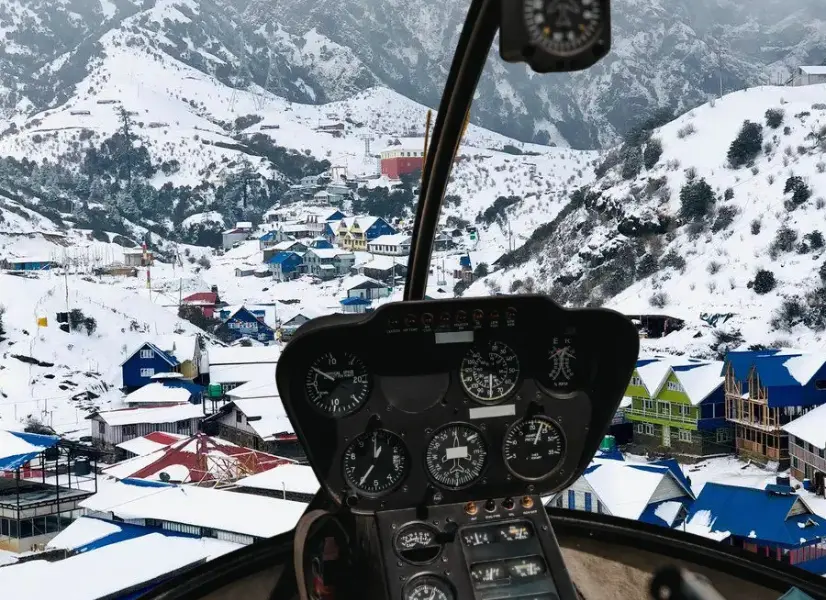
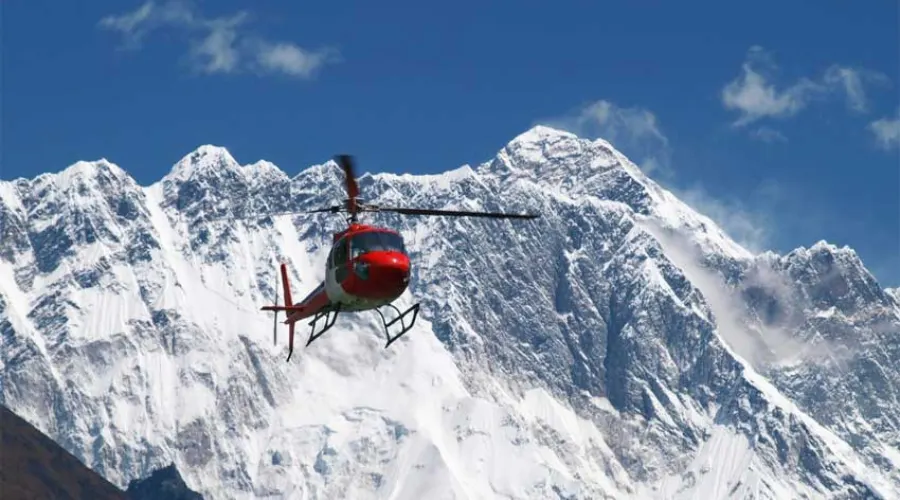
Winter in Nepal offers a remarkable opportunity to experience the Himalayas from above. As temperatures drop and snow covers many of the country's highest mountains, the landscape transforms into a spectacular combination of white peaks, deep valleys, frozen alpine scenery and clear mountain horizons.
For travellers who want to explore Nepal's Himalayan destinations without spending several days trekking, winter helicopter tours in Nepal offer an alternative way to experience the mountains. From scenic flights towards the Everest region to helicopter journeys around Annapurna and religious destinations such as Muktinath, winter can provide memorable aerial experiences when weather and operational conditions are suitable.
However, travelling during winter also requires careful planning. Cold temperatures, snowfall, high-altitude weather and changing wind conditions can influence flight schedules and landing opportunities.
Whether you are planning a holiday in December 2026, January 2027 or February 2027, this guide explains the best winter helicopter routes in Nepal, expected costs, seasonal conditions, preparation tips and important booking considerations.
Is Winter a Good Time for Helicopter Tours in Nepal?
Yes, winter can be a rewarding time for helicopter tours in Nepal, particularly for travellers interested in snow-covered Himalayan landscapes and quieter travel experiences.
The winter season generally extends from December to February. During this period, many parts of Nepal experience relatively dry weather, while higher Himalayan destinations become considerably colder and may receive snowfall.
One of the main attractions of winter travel is the possibility of enjoying impressive mountain views against clear blue skies. Snow-covered peaks, glaciers and alpine valleys can create beautiful scenery for aerial photography.
However, good visibility cannot be guaranteed every day. Weather conditions vary across different mountain regions, and snowfall, strong winds, fog or cloud cover may affect helicopter operations.
Before confirming a flight, travellers should understand the following advantages and considerations.
Advantages of Winter Helicopter Tours
1. Beautiful Snow-Covered Himalayan Scenery
Winter transforms many Himalayan landscapes into spectacular snowy environments. Mountains such as Everest, Lhotse, Ama Dablam, Annapurna and Dhaulagiri can appear particularly impressive when surrounded by fresh snow.
2. Opportunities for Clear Mountain Views
Winter often brings dry periods and good visibility in many parts of Nepal. When atmospheric and operational conditions are favourable, travellers may enjoy excellent views of the Himalayan mountain ranges.
3. A Different Travel Experience
Winter offers a different atmosphere compared with the busy autumn trekking season. Travellers can experience Nepal's mountain landscapes in a quieter seasonal setting.
4. Convenient Access to Selected Mountain Destinations
Helicopter journeys can significantly reduce travel time compared with lengthy trekking routes. Depending on the destination, flight conditions and permissions, travellers may be able to experience remarkable mountain scenery within a few hours.
Things to Consider Before Flying in Winter
Despite its attractions, winter is not suitable for every mountain flight on every day.
Travellers should consider:
- Extremely cold temperatures at higher elevations.
- Snowfall that may affect landing areas.
- Strong winds and changing mountain weather.
- Shorter daylight hours compared with summer.
- Possible flight delays, rescheduling or cancellations.
The most important consideration is operational safety. Every helicopter flight must depend on actual weather conditions, the aircraft's capabilities, the approved flight plan and the judgement of the operating aviation team.
Best Winter Helicopter Tours in Nepal
Nepal offers several helicopter routes that provide access to spectacular mountain scenery. The suitability of each route during winter depends on its elevation, weather conditions, landing arrangements and operational approval.
Here are some of the destinations worth considering when planning a winter helicopter tour in Nepal.
1. Everest Base Camp Helicopter Tour
The Everest Base Camp Helicopter Tour is one of Nepal's most recognisable Himalayan aerial experiences.
Located in the Khumbu region, Mount Everest attracts travellers from around the world who want to witness the world's highest mountain and explore the surrounding Himalayan landscape.
During winter, the Everest region takes on a distinctive appearance. Snow-covered mountain slopes, glacial valleys and traditional Sherpa settlements create a remarkable landscape from above.
A typical Everest helicopter sightseeing itinerary may include:
- Departure from Kathmandu.
- A flight towards the Everest region.
- Aerial views of the Khumbu Valley.
- Views of Mount Everest, Lhotse, Nuptse and Ama Dablam when visibility permits.
- A possible landing at an approved location, depending on the itinerary and operating conditions.
- Return to Kathmandu.
Why consider this tour in winter?
Winter can provide beautiful snowy mountain scenery and opportunities for clear Himalayan views. It is particularly appealing to travellers who want to experience the Everest region without undertaking a lengthy trek.
However, the high elevation makes this journey especially sensitive to cold temperatures, wind, snowfall and landing conditions.
Not every itinerary includes a landing at Everest Base Camp or Kala Patthar. The actual landing arrangements must be confirmed before booking.
Travellers should also understand that a scenic flight over the Everest region and a helicopter landing experience are not necessarily the same product.
2. Annapurna Base Camp Helicopter Tour
The Annapurna Base Camp Helicopter Tour is another attractive option for travellers interested in winter mountain scenery.
Situated within the Annapurna region, the destination is surrounded by impressive Himalayan peaks, including Annapurna I, Annapurna South, Hiunchuli and Machhapuchhre (Fishtail).
During winter, the Annapurna Sanctuary can display dramatic snow-covered landscapes. The contrast between surrounding mountain walls and the snowy valley creates a memorable aerial experience.
A typical itinerary may include:
- Departure from Pokhara or Kathmandu, depending on the package.
- A scenic flight towards the Annapurna region.
- Aerial views of traditional mountain villages and Himalayan landscapes.
- A possible landing at an approved location, subject to weather and operational conditions.
- Return to the departure point.
Why choose an Annapurna helicopter tour in winter?
The journey is suitable for travellers who want to appreciate the Annapurna mountain range without completing a multi-day trekking journey.
Winter scenery can be particularly attractive for photography, although snow and cold conditions may affect landing availability.
Travellers should confirm the departure airport, flight duration, landing arrangements and inclusions when selecting a package.
3. Muktinath Helicopter Tour
The Muktinath Helicopter Tour combines Himalayan scenery with an important religious destination.
Located in Mustang at an elevation of approximately 3,800 metres, Muktinath Temple is a significant pilgrimage destination for both Hindu and Buddhist devotees.
The region is known for its distinctive landscapes, mountain surroundings and cultural importance.
A helicopter journey towards Muktinath may offer:
- Aerial views of the Annapurna and Dhaulagiri mountain ranges.
- Beautiful landscapes of the Mustang region.
- Views of traditional Himalayan settlements.
- An opportunity to visit Muktinath, subject to approved landing arrangements and local conditions.
Is Muktinath suitable for winter helicopter travel?
Muktinath can be very cold during winter. Snowfall, icy conditions and strong winds may affect access and landing arrangements.
Although Mustang is partly located in a rain-shadow region, this does not mean that winter flights or landings are guaranteed.
Travellers interested in a Muktinath helicopter tour in winter should confirm the latest destination conditions and operational availability before making travel arrangements.
4. Gosaikunda Helicopter Tour
The Gosaikunda Helicopter Tour provides an opportunity to experience one of Nepal's most recognised alpine lake destinations from above.
Situated in the Langtang region, Gosaikunda is surrounded by rugged mountain landscapes and holds considerable religious significance.
During winter, the lake and surrounding high-altitude environment can experience freezing temperatures and snowfall.
The helicopter journey may provide impressive aerial views of:
- Gosaikunda Lake.
- The Langtang Himalayan region.
- Snow-covered mountain ridges.
- Remote alpine landscapes.
Is Gosaikunda worth visiting in winter?
For travellers interested in snowy Himalayan scenery, Gosaikunda can be visually impressive during winter.
However, the destination's high elevation and winter conditions require additional consideration. Snow, ice and landing-site conditions can affect whether a helicopter can safely land.
A winter landing should never be assumed as part of a confirmed itinerary until the operating team has assessed and approved the conditions.
5. Langtang Helicopter Tour
The Langtang Helicopter Tour is another option for travellers who want to discover Nepal's Himalayan landscapes without a multi-day trek.
Located north of Kathmandu, the Langtang region is known for its mountain scenery, glaciers, traditional settlements and distinctive Himalayan culture.
A winter flight can reveal snow-covered ridges, deep valleys and beautiful views of the surrounding mountains.
Depending on the selected itinerary, the journey may include:
- A departure from Kathmandu.
- A scenic flight towards the Langtang region.
- Views of Langtang Lirung and surrounding mountain peaks.
- A possible landing at an approved location.
- Return to Kathmandu.
The availability of a landing depends on actual weather conditions, the selected landing area and operational approval.
Winter Helicopter Tours in Nepal: December, January and February
Not every winter month offers identical travel conditions. Understanding the differences between December, January and February can help you plan your journey more effectively.
Helicopter Tours in Nepal in December
December marks the beginning of winter in Nepal.
During this month, temperatures begin to fall significantly in higher mountain regions, and snowfall becomes increasingly possible at higher elevations.
Travellers may enjoy:
- Snow-covered Himalayan landscapes.
- Relatively dry conditions in many regions.
- Opportunities for mountain photography.
- Scenic flights during favourable weather windows.
December can be an attractive month for a Nepal helicopter tour in winter, particularly for travellers planning a year-end holiday.
However, the Christmas and New Year holiday period can increase travel demand. Booking early and allowing flexibility in your itinerary are sensible precautions.
Helicopter Tours in Nepal in January
January is generally one of the coldest months in Nepal.
Higher-altitude destinations may experience extremely low temperatures, snowfall and icy landing conditions.
The advantages include the possibility of spectacular snow-covered landscapes and clear mountain views during stable weather periods.
However, travellers should pay particular attention to:
- Extremely cold temperatures.
- Snow accumulation.
- Wind conditions.
- Landing-site accessibility.
- Weather-related flight changes.
A January helicopter tour in Nepal should be planned with sufficient flexibility, especially when the itinerary involves high-altitude destinations.
Helicopter Tours in Nepal in February
February is the final month of the winter season.
Temperatures gradually begin to improve towards the end of the month, although high-altitude destinations can remain very cold.
February can offer opportunities for travellers who want to experience winter mountain scenery before the spring trekking season begins.
Depending on regional conditions, travellers may enjoy scenic helicopter journeys towards the Everest, Annapurna and Langtang regions.
As with December and January, flight operations remain dependent on actual weather conditions and aviation approval.
How Much Does a Winter Helicopter Tour in Nepal Cost?
The cost of a winter helicopter tour in Nepal depends on several factors, including the destination, flight duration, departure point, aircraft arrangements, passenger numbers and landing requirements.
There is no single fixed price for all winter helicopter tours.
The main factors influencing the price include:
1. Destination and Flight Distance
Longer routes generally require more flight time and operational resources.
For example, a helicopter journey towards the Everest region may have different pricing from a shorter scenic flight around the Kathmandu Valley.
2. Shared or Private Helicopter Flights
The type of booking arrangement can significantly influence the overall cost.
Shared Helicopter Flights
Shared flights allow eligible travellers to share the available aircraft capacity with other passengers.
This arrangement can reduce the individual cost compared with chartering an entire helicopter.
However, shared flights depend on passenger availability, weight distribution, route arrangements and the operating team's approval.
Private Helicopter Charter
A private helicopter charter is arranged for a particular group or travel party.
It provides greater flexibility in organising the journey, subject to operational limitations, aircraft availability and approved flight arrangements.
Private charter pricing depends on the selected route, flight hours, passenger requirements and other operational costs.
3. Landing and Ground Arrangements
Some itineraries include a landing at a designated location, while others focus on aerial sightseeing.
Landing arrangements, local permissions, ground handling and additional services can influence the final package price.
4. Seasonal and Operational Factors
Winter conditions may influence scheduling and operational arrangements.
Travellers should request a current quotation rather than relying on outdated prices or assuming that every route has the same winter availability.
What Is Included in a Helicopter Tour Package?
Before confirming a booking, ask for a clear breakdown of the package.
Depending on the selected itinerary, inclusions may cover:
- Helicopter flight arrangements.
- Airport or helipad transfers, where specified.
- Applicable landing arrangements.
- Required permits or fees, where included.
- Ground assistance.
- Applicable taxes and service charges.
Always check the actual package inclusions and exclusions before making payment.
What Is the Best Time of Day for Winter Helicopter Tours?
The time of departure can influence the overall helicopter-tour experience.
Many mountain helicopter journeys are scheduled in the morning because weather and visibility can vary throughout the day.
Morning departures may offer opportunities for:
- Better visibility during favourable conditions.
- Impressive early sunlight across the mountain peaks.
- Photography opportunities.
- More flexibility for managing weather-related changes.
However, an early departure does not guarantee that a flight will operate.
Overnight snowfall, low cloud, fog, strong winds and other weather conditions can affect morning schedules as well.
The final departure decision belongs to the operating aviation team.
What Should You Wear for a Winter Helicopter Tour in Nepal?
Proper clothing is important when travelling to high-altitude destinations during winter.
Temperatures can be significantly colder around mountain landing areas than in Kathmandu or Pokhara.
Travellers should prepare for cold weather, especially if their itinerary includes an outdoor landing.
Recommended Winter Clothing
1. Thermal Base Layers
Wear thermal inner clothing to help maintain body warmth during cold conditions.
2. Insulated Winter Jacket
A warm down or insulated jacket can provide additional protection against low temperatures.
3. Gloves and Warm Socks
Your hands and feet can become uncomfortable quickly in cold mountain environments. Carry insulated gloves and warm socks.
4. Comfortable Winter Footwear
Wear warm, comfortable footwear with good grip, especially if your itinerary includes a landing where walking may be permitted.
5. Sunglasses and Sunscreen
Sunlight reflecting from snow can be intense. Sunglasses with suitable UV protection and sunscreen are useful during outdoor stops.
6. Camera or Smartphone
Bring a camera or smartphone to capture the Himalayan scenery. Keep your electronic devices protected from low temperatures.
Travellers should also follow the crew's instructions throughout the flight and during any approved landing.
Is a Shared or Private Helicopter Tour Better in Winter?
Choosing between a shared helicopter tour and a private charter depends on your travel preferences, budget and group size.
Shared Helicopter Tours
Shared flights may be suitable for individual travellers, couples and small groups looking for a more economical booking arrangement.
Advantages include:
- Lower individual costs when seats are shared.
- Opportunities to experience popular Himalayan routes.
- Suitable arrangements for travellers who do not require an entire aircraft.
However, shared flights depend on passenger availability, weight distribution and operational scheduling.
Private Helicopter Tours
Private charters may be more suitable for families, groups and travellers who prefer a dedicated aircraft arrangement.
Advantages include:
- Greater flexibility in organising the itinerary.
- Dedicated arrangements for the travelling group.
- More control over booking coordination, subject to operating restrictions.
Private charter flights generally cost more because the group is arranging the aircraft rather than sharing available seats.
During winter, both arrangements remain subject to weather, aircraft availability and operational approval.
Weather and Safety Considerations for Winter Helicopter Flights
Weather is one of the most important factors affecting helicopter tours in Nepal during winter.
The Himalayan environment is geographically complex. Weather can differ significantly between valleys, mountain passes, high-altitude landing locations and departure areas.
Even when Kathmandu has clear skies, the weather around a high-altitude destination may be unsuitable for flying or landing.
Why Can Winter Helicopter Flights Be Delayed?
Some common reasons include:
- Snowfall at the destination.
- Strong winds in mountain regions.
- Poor visibility.
- Low cloud cover.
- Fog or changing weather patterns.
- Unsuitable landing-site conditions.
A flight may be delayed, rescheduled or cancelled if the operating aviation team determines that conditions are not suitable.
Why Is Weather Assessment Important?
Helicopter operations in mountainous environments require careful consideration of altitude, visibility, wind, terrain and aircraft performance.
The operating aviation team must assess the conditions before authorising a flight.
Travellers should never pressure an aviation team to operate simply because they have a fixed holiday schedule.
A responsible booking arrangement prioritises operational safety over maintaining an original departure time.
Important Tips Before Booking a Winter Helicopter Tour in Nepal
Planning ahead can make your winter helicopter experience more convenient.
Here are some useful considerations before confirming your booking.
1. Book Through a Reliable Booking Service
Choose a booking service that provides clear information about the itinerary, operating arrangements, package inclusions and cancellation conditions.
Confirm which licensed aviation operator will conduct the flight.
2. Check the Weather Before Departure
Mountain weather can change quickly. Stay in contact with your booking representative and follow the latest updates from the operating team.
3. Keep an Extra Day in Your Travel Schedule
One of the most useful winter travel tips is to maintain flexibility.
If possible, avoid scheduling a high-altitude helicopter tour immediately before your international departure.
An additional day can help accommodate weather-related changes.
4. Understand the Landing Arrangements
Not every helicopter sightseeing tour includes a landing at its advertised destination.
Ask whether the itinerary involves an actual landing, an aerial view or a combination of both.
5. Confirm the Passenger and Baggage Limits
Helicopter passenger capacity depends on aircraft type, altitude, weight distribution and operational limitations.
Provide accurate passenger weights when requested and confirm baggage restrictions before departure.
6. Understand Cancellation and Rescheduling Policies
Before paying, ask what happens if the flight cannot operate because of weather.
Confirm the applicable refund, rescheduling and cancellation conditions in writing.
7. Follow the Crew's Instructions
Passengers should follow all instructions provided by the pilot and ground crew, particularly during boarding, landing and high-altitude stops.
Why Choose Go Heli Services for Your Winter Helicopter Tour in Nepal?
Planning a helicopter journey in the Himalayas involves more than selecting a destination. Travellers also need to understand the route, booking arrangements, departure schedules, landing possibilities and weather-related considerations.
Go Heli Services helps travellers coordinate helicopter-tour and charter arrangements across selected destinations in Nepal through licensed aviation operators.
Whether you are considering an Everest helicopter tour, an Annapurna helicopter tour, a Muktinath helicopter journey or a private helicopter charter, having clear information before departure can make the planning process easier.
Go Heli Services can assist with:
- Information about available helicopter-tour routes.
- Shared and private charter arrangements.
- Package and quotation enquiries.
- Booking coordination.
- Information about itinerary inclusions and exclusions.
- Assistance with booking-related updates and arrangements.
Every flight is subject to the availability, approval and operating conditions of the relevant licensed aviation operator.
If you are planning a winter holiday in Nepal, contact Go Heli Services to discuss your preferred destination, travel dates and helicopter-tour requirements.
Explore Nepal's Himalayas from above with a winter helicopter experience planned around your travel needs.
Frequently Asked Questions About Winter Helicopter Tours in Nepal
1. Can you take a helicopter tour in Nepal during winter?
Yes. Helicopter tours can operate during winter when weather, visibility, aircraft performance, landing conditions and other operational requirements are suitable. However, individual flights may be delayed, rescheduled or cancelled.
2. Which is the best month for helicopter tours in Nepal during winter?
December, January and February can all offer opportunities for winter helicopter experiences. The best choice depends on the destination, weather conditions and your preference for snowy mountain scenery. No particular month guarantees suitable flying conditions.
3. Is the Everest helicopter tour available in winter?
Everest-region helicopter journeys may be arranged during winter, subject to weather and operational approval. High-altitude conditions can affect flight schedules and landing opportunities.
4. Can I visit Muktinath by helicopter in January?
A Muktinath helicopter journey may be possible when the relevant flight and landing conditions are suitable. January can bring very cold temperatures, snowfall and challenging ground conditions, so travellers should confirm current availability before booking.
5. Are helicopter tours in Nepal safe during winter?
Helicopter operations require careful assessment of weather, visibility, altitude, aircraft performance and landing conditions. Flights should only operate when the licensed aviation operator determines that conditions meet applicable operational requirements.
6. How much does a winter helicopter tour in Nepal cost?
The price depends on the destination, flight duration, aircraft arrangement, passenger numbers and selected itinerary. Shared flights and private charters have different pricing structures. Request a current quotation for accurate costs.
7. Are shared helicopter flights available during winter?
Shared flights may be available on selected routes, depending on passenger demand, aircraft capacity, weight distribution and operational approval. Availability should be confirmed before booking.
8. What happens if my helicopter tour is cancelled because of bad weather?
If weather conditions are unsuitable, the operating aviation team may delay, reschedule or cancel the flight. Refund and rescheduling arrangements depend on the booking terms agreed before payment.
9. Can I take photographs during a winter helicopter tour?
Yes, passengers can generally take photographs from inside the helicopter, subject to crew instructions and safety requirements. Photography opportunities during a landing depend on the approved itinerary and time available.
10. Should I book my winter helicopter tour in advance?
Booking in advance is advisable, particularly during the Christmas and New Year holiday period. However, travellers should also confirm the latest availability and remain flexible because mountain weather can affect schedules.
Plan Your Winter Helicopter Tour in Nepal with Go Heli Services
Winter offers a distinctive opportunity to experience Nepal's Himalayan landscapes, from snow-covered mountain peaks to remote alpine valleys and culturally significant destinations.
Whether you want to witness the Everest region, explore the Annapurna range, visit Muktinath or arrange a private helicopter charter, choosing the right itinerary and understanding seasonal conditions are essential.
A well-planned winter helicopter tour in Nepal can become one of the most memorable experiences of your Himalayan holiday.
Contact Go Heli Services to discuss your preferred route, travel dates and booking requirements, and start planning your winter journey above the Himalayas.
Website: https://www.goheliservices.com/

Go Heli Services